
(Link to the third editorial of this series: https://wp.me/pbW3AH-1Tx)
Autism was first described by Leo Kanner (a child psychiatrist at The Johns Hopkins School of Medicine) in 1943, who called it “autistic disorders” (https://www.autismtruths.org/pdf/Autistic%20Disturbances%20of%20Affective%20Contact%20-%20Leo%20Kanner.pdf). Nine years later, the severity that this behavioral condition could reach became evident when the American Psychiatric Association (APA) described the autistic behavior as “psychotic reactions in children, manifested primarily as autism”, while including autism in the group “schizophrenic reaction, childhood type” in the first version of the Diagnostic and Statistical Manual of Mental Disorders (“DSM-1”, 1952, page 28) (https://www.turkpsikiyatri.org/arsiv/dsm-1952.pdf).
Although recognized for several decades, the severity of this neuropsychiatric condition has not been realistically portrayed by either the mainstream media or the Internet.
Quite the contrary, successful people are often misidentified as having “Autism Spectrum Disorder” (ASD) and a misconception of advantageous capabilities is commonly offered to the public, as exemplified below (https://genialcare.com.br/blog/7-famosos-que-sao-autistas-e-voce-nao-sabia/):
“As we have seen, many famous people are autistic, they share their discoveries and thus, they increase more and more the universe of possibilities, showing that all people can achieve incredible potential.”
Furthermore, a growing number of movies romanticize autism by portraying adolescents or young adults with this condition merely as individuals with affective and socialization issues. There is no mention of the fact that affected children, adolescents and adults often present with mental retardation (up to 70% of cases) associated with speech impairment (sometimes loss or failure to develop speech) (up to 80% of cases), impairment of abilities for activities of daily living (using the toilet, eating and dressing/grooming) (up to 50% of cases), psychotic behavior (up to 35% of cases), aggression, self-harm (up to 50% of cases) – characterizing a psychiatric condition that is sometimes so difficult to control as to require institutionalization (https://link.springer.com/article/10.1007/BF01531361; https://jamanetwork.com/journals/jamanetworkopen/article-abstract/2785235; https://journals.sagepub.com/doi/abs/10.1177/1362361316644731; https://www.ncbi.nlm.nih.gov/pmc/articles/PMC8918655/; https://www.scientiapsychiatrica.com/index.php/SciPsy/article/view/69).
See the despair of a mother, reporting the progressive worsening of her son’s autism, who is only 3 and a half years old, decided to put him in an institution (including due to her fear of what might happen when he grows up and becomes stronger, given his uncontrolled aggressiveness), requesting advice on the Internet through the “reddit” platform (https://www.reddit.com/r/Autism_Parenting/comments/176s03a/considering_institutionalization/?rdt=63842):
“Considering institutionalization…
Long story short: I am starting to give up on my son and considering institutionalization.
My poor baby is just 3 ½ yrs. old and, yes, I know it is still way too early to reach conclusions but his situation has deteriorated to the point that I am increasingly feeling that I must come to terms with the possibility that unfortunately my son’s issues are way too serious to expect him to ever become a functional person.
A couple of years ago, when I first realized my son had ASD (apparently lvl 1) mixed with ADHD, I was as terribly depressed and worried as you can imagine; but I gathered myself and assumed my parental duty with as much heart and positive attitude as I could manage. For my son I was eager to make whatever sacrifices were required, hoping he would improve and make progress. I knew it was going to be a long and arduous journey, but I had hope.
Nowadays, hope is gone and no coming back I am afraid.
Nothing is working and the last few months have been pure hell. My child is not making progress anymore. All the opposite, he is regressing. His communication skills have deteriorated. Worst at all is his behavior. He was always moody and hyperactive. But in the last few months he has gone in a dive. He has brutally crazy mood swings. Out of the blue he starts screaming and crying with no discernible reason. He is becoming increasingly aggressive. Sometimes he becomes uncontrollable and getting him to follow even the most basic instructions is an uphill fight. We have tried lots of behavioral therapy, but nothing works.
To be blunt, I have had enough of him.
I still love my kid. He is the most important thing in my life, but I can’t stand him anymore. I am tired of his craziness, his wild mood swings, his hysterics, his unexpected aggressiveness. Simply I can’t take it anymore. That’s it.
I know it is not his fault. I know he is an innocent victim. But so am I.
My life is in shambles because my child’s issues. My professional career is ruined. My physical and mental health are in a dive. My marriage is over. I have gone bankrupt paying for his treatment. I have put as much time, effort, money and love on my child as possible, to no avail. Don’t get me wrong, I am not complaining. I would eagerly do any sacrifice to see my child get better… but if he is not going to get better anyway, then it makes no sense to burn myself.
Thus, now I am coming to terms with the fact that if things don’t improve (and to be honest I doubt that is going to happen) then I must start planning for my son to be institutionalized, thus he will be properly cared and protected and I will get some semblance of a normal life back. I will still care for him and I will keep doing whatever I can for his wellbeing, but maybe living in an institution is the best option for my child.
I hate myself for thinking like this. I wish there was other option, but right now the only solution seems to be to institutionalized him and the faster the better for all of us. I can barely control him now; I won’t be able to control him when he gets older and bigger.
Thus, all my rambling is just to give you an overview of what is going on, so you can properly understand my questions:
What to do when your child is simply too wild and dysfunctional to live with you? What kind of institutions can have him? What is the earliest you can institutionalize your child? Have you ever been in such situation or you know about the experience of somebody who had to institutionalize his child?
Thanks in advance for whatever orientation you can provide me with.”
However, the “information” made available to the public rather creates a smokescreen, hiding the reality of a tragedy of immeasurable magnitude. It seems quite clear that the mainstream media and the film industry often label as autistic individuals who have little or nothing to do with such a condition. The result is a widespread and unrealistic image of autistic people as individuals who are simply oblivious to what is happening around them, living in their own inner world and avoiding eye contact. In addition to the family members themselves, perhaps only the health professionals (neuropediatricians, child psychiatrists, psychologists, speech therapists and occupational therapists) who deal with the affected individuals know the severity of the neuropsychiatric condition that is often behind this diagnosis.
According to the reality of a serious neuropsychiatric condition, several typical behaviors can be detailed in autistic children, as exemplified by the desperate report reproduced from the “reddit” platform. Since many of these children do not acquire, lose, or delay the development of speech, they often try in vain to express themselves by vocalizing vigorously or crying screaming. Over time, they cognitively distance themselves more and more from children of the same age. They may become extremely agitated, running/pacing around the house almost non-stop, writhing, jumping, screaming or laughing for no apparent reason, making repetitive movements (stereotypies) with their hands when excited, becoming progressively more and more aggressive, biting themselves, punching and slapping themselves on the head and ears; they may attack family members or other children by headbutting, biting and pulling hair; they may headbutt walls or even the floor; they may sleep very little at night and wake up screaming and running around the house. Additionally, between 11% and 39% of them develop epilepsy (https://www.ncbi.nlm.nih.gov/pmc/articles/PMC3065774/). In addition to being exhausted, parents see their dreams of forming a functional and happy family shattered, having to accept that their children are treated with antipsychotic and antiepileptic drugs more frequently than ever before in previous generations. Families are falling apart as mothers are left alone with a child who requires constant care and support for even the most basic needs.
Such a high level of dependence has raised serious questions about the future of autistic people (https://autismspectrumnews.org/leaving-the-family-home-opportunities-and-obstacles-for-autistic-adults/):
“When we think about the future of individuals on the autism spectrum, it is easy to feel overwhelmed.”
“Who will assume the daily support role once parents can no longer provide care?”
Epidemiological data show that we have gone from one affected individual for every 10,000 normal children in 1970 to one case of autism for every 36 normal children in 2018 (http://www.drsgoodman.com/book-reviews/479-how-to-end-the-autism-epidemic/) and we may be experiencing something like one case for every 22 normal children, depending on the country or region being considered. This is a truly tragic situation from any angle from which it is analyzed: humanitarian, social or financial.
INFLAMMATION
Without identifying the underlying cause of autism, the development of effective preventive approaches or therapies is clearly not feasible. To achieve this goal, the first step must be to characterize the nature of the pathological process affecting the autistic brain. Recognition of the underlying cause and contributing factors becomes feasible only after this initial step has been fulfilled.
In general, almost no professional who deals with these patients is aware that this is a truly organic condition, in which the brain of the carriers is affected by an active inflammatory process, of probably progressive intensity (denoted by the worsening of the behavioral condition), as demonstrated by the maintenance of high circulating levels of inflammatory markers (erythrocyte sedimentation rate, C-reactive protein, ferritin, α-2 globulins, and “tumor necrosis factor alpha” and the enzyme neuron-specific enolase (NSE) (https://www.mdpi.com/2075-1729/13/8/1736).
It is essential to pay close attention to elevated circulating levels of the enzyme neuron-specific enolase. This finding highlights a situation similar to that which occurs with the selective elevation of circulating levels of transaminase enzymes (TGO and TGP) in relation to the liver, indicating inflammatory damage to this organ (https://dracarlaholanda.com.br/tgo-e-tgp-elevados/), and leading the physician to search for the cause of the problem, for example: viral hepatitis, drug-induced hepatitis, alcoholism, fatty liver, autoimmune hepatitis, etc. (https://laboratorioexame.com.br/saude/tgo-e-tgp). As a second example, this is a situation similar to an inflammatory process (caused by infectious or non-infectious agents) that affects the myocardium (heart muscle) – myocarditis, where there is an increase in circulating levels of enzymes such as CK-MB and troponin (https://pmc.ncbi.nlm.nih.gov/articles/PMC10706911/ ). These are examples of injury to liver and myocardial cells respectively, in which the damaged cells release these enzymes into the circulation. The same goes for high creatine phosphokinase (CPK) activity in relation to polymyositis (muscle tissue damage/inflammation) (https://medlineplus.gov/lab-tests/creatine-kinase/) and for increased amylase and lipase concentrations in relation to pancreatitis (https://pubmed.ncbi.nlm.nih.gov/28720341/).
In searching for the causes of autism spectrum disorder, recognizing its active inflammatory nature is an initial step of fundamental importance, as it demonstrates that, contrary to what has been said, autism is not a simple “neuroatypical” behavior or manifestation of a “neurodiversity” of spiritual or sociobehavioral nature, but rather an organic neurological disease!
Serum NSE level is normally low while an elevated serum NSE is a reliable biomarker of active brain damage (https://www.sciencedirect.com/topics/neuroscience/neuron-specific-enolase). This biomarker has been found in various situations associated with neural degeneration, such as the acute phase of head trauma (https://www.tandfonline.com/doi/abs/10.1080/02688699647104), the acute phase of stroke (https://www.sciencedirect.com/science/article/abs/pii/S0967586805000834), over the hours or days following cardiac arrest (https://www.tandfonline.com/doi/abs/10.1080/02688699647104, https://www.resuscitationjournal.com/article/S0300-9572(20)30593-1/abstract), primary progressive multiple sclerosis (https://www.jns-journal.com/article/S0022-510X(15)00076-3/abstract), acute encephalitis syndrome caused by various infectious agents or toxins/chemical agentes (https://www.ncbi.nlm.nih.gov/pmc/articles/PMC5638837/#B2), acute exposure to Mercury (https://www.researchgate.net/publication/324020962_Evaluation_of_blood_neuron_specific_enolase_and_S-100_beta_protein_levels_in_acute_mercury_toxicity), etc.
The presence of inflammation affecting the brain tissue of individuals with ASD was confirmed through autopsies that demonstrated the presence of lymphocytic infiltrates, causing lesions in brain cells compared to autopsies performed on individuals not affected by ASD (https://onlinelibrary.wiley.com/doi/abs/10.1002/ana.25610). Inflammatory processes produce large amounts of a type of “cellular waste” – the so-called “free radicals” (https://www.sciencedirect.com/science/article/abs/pii/S0899900796000008) leading to the destruction of nerve cells through the mechanism known as “oxidative stress” – being the nervous tissue particularly sensitive to this mechanism of injury due to its high content of lipids (fats, molecules that are sensitive to the accelerated destructive process known as “lipid peroxidation”) (https://www.ncbi.nlm.nih.gov/pmc/articles/PMC5193071/; https://www.ncbi.nlm.nih.gov/pmc/articles/PMC4042144/; https://www.sciencedirect.com/science/article/pii/S2213231718300041).
Brain inflammation has been consistently documented in individuals with autism, particularly since 2010 (https://www.frontiersin.org/journals/physiology/articles/10.3389/fphys.2014.00150/full). The authors conclude in a manner consistent with an organic cause emphasized in this text:
“(…) ASD has a clear biological basis with features of known medical disorders.”
The inflammatory process, however, is not restricted to the nervous system of individuals with autism spectrum disorders. For example, inflammation of the digestive system, including enterocolitis (https://journals.lww.com/hrpjournal/fulltext/2014/03000/gastrointestinal_issues_in_autism_spectrum.5.aspx) is observed, causing abdominal cramps, chronic constipation, and constipation alternating with diarrhea, among other symptoms (https://www.ncbi.nlm.nih.gov/pmc/articles/PMC9262638/).
Gastrointestinal symptoms are present in more than 80% of cases, with unpleasant stool odor being the most frequently reported symptom (in 70% of cases) and the level of fecal calprotectin (a marker of intestinal inflammation found in feces) is elevated in proportion to the severity of gastrointestinal symptoms (https://www.ncbi.nlm.nih.gov/pmc/articles/PMC8690952/).
The presence of intestinal inflammation demonstrable through this specific laboratory test, also found in other conditions in which the intestine is inflammed (such as Crohn’s disease and ulcerative colitis – https://www.ncbi.nlm.nih.gov/pmc/articles/PMC4734737/), emphasizes the organic condition inherent to autism spectrum disorders, while also pointing to a causal factor not restricted to the nervous system.
In the presence of inflammation of brain tissue, an association between autism and epilepsy is to be expected. As Choi and Koh stated in 2008 (https://www.ncbi.nlm.nih.gov/pmc/articles/PMC2615265/):
“We provide an overview of the current knowledge that implicates brain inflammation as a common predisposing factor in epilepsy, particularly childhood epilepsy.”
This knowledge has been definitively consolidated according to the recent review by Li et al. from 2023:
(https://www.frontiersin.org/journals/immunology/articles/10.3389/fimmu.2023.1269241/full):
“Over the past two decades years accumulated evidences provide strong support to the hypothesis that neuroinflammation, including microglia and astrocytes activation, a cascade of inflammatory mediator releasing, and peripheral immune cells infiltration from blood into brain, is associated with epileptogenesis.” (epileptogenesis = development of epilepsy)
In accordance with the organic, inflammatory neurological nature of the neuropsychiatric condition typical of people with autism, there is a high incidence of epilepsy among children with autism. As Levisohn (2017) states (https://onlinelibrary.wiley.com/doi/full/10.1111/j.1528-1167.2007.01399.x):
“The high prevalence of epilepsy in children with autism supports a neurobiologic etiology for autism.”
Autism spectrum disorder is, therefore, a neurological disorder of organic, inflammatory nature unquestionably characterized by a broad body of evidence (https://www.frontiersin.org/journals/physiology/articles/10.3389/fphys.2014.00150/full). The presence of chronic encephalitis affecting the neuronal cells of the autistic child after birth is evident through laboratory tests that demonstrate elevated circulating levels of the neuron-specific enolase enzyme (https://www.mdpi.com/2075-1729/13/8/1736) and inflammatory cytokines such as TNF-alpha (https://www.ncbi.nlm.nih.gov/pmc/articles/PMC5669898/), interferon-gamma and interleukin-6 (https://onlinelibrary.wiley.com/doi/10.1155/2015/531518; https://www.mdpi.com/2079-3200/5/2/19).
Contrary to the frequently touted idea that neuropsychiatric changes in autism always begin in utero, many parents report that their child developed normally until some time after birth, and continued to do so until approximately 15 to 24 months, when the child began to regress or deteriorate, losing the skills he or she had acquired up to that point (https://pubmed.ncbi.nlm.nih.gov/17090484/). Regressive autism further stresses the need for identifying the causal factor underlying neuroinflammation in ASD for the sake of prevention.
The idea that “autism is not a disease” (https://novaramedia.com/2021/11/25/autism-is-not-a-disease/) is often expressed by people who are actually referring to a condition that is completely or almost completely unrelated to the subject of these editorials. Such inadequate conceptual categorization only serves to stifle the urgently needed realistic conscientization about a serious disease that began to affect successive generations around the world exponentially from the 1990s onwards. As a result, searching the scientific literature is discouraged, while the treatment of children with ASD remains relegated to antipsychotics, antiepileptics and conventional therapies (speech therapy, psychotherapy, occupational therapy, music therapy, etc., at a cost that can currently reach between twenty and twenty-five thousand reais (BRL) per month in Brazil). The cause of ASD remains unidentified and therefore cannot be effectively treated or prevented.
Along with the recognition that there is an active injury process, the lack of knowledge of its causes and the ineffectiveness of available treatments have been expressly reported in the scientific literature for many years (https://pubmed.ncbi.nlm.nih.gov/17090484/) (underlined for emphasis):
“…some children with autism may become autistic from neuronal cell death or brain damage sometime after birth as result of insult…”
“Which of the many theories may be correct and/or how the various theories may fit together remains unclear.”
“To date, treatments are varied and somewhat unpromising.”
Although ABA (Applied Behavior Analysis) has been pointed as the most effective treatment (https://www.ncbi.nlm.nih.gov/pmc/articles/PMC7265021/; https://autismsciencefoundation.org/treatment-options/#:~:text=If%20your%20child%20is%20diagnosed,applied%20behavioral%20analysis%20(ABA)) (underlined for emphasis), only “between 3% and 25% of children reportedly lose their ASD diagnosis and enter the normal range of cognitive, adaptive and social skills” (https://pubmed.ncbi.nlm.nih.gov/19009353/) and, therefore, the treatment
results are still unpromising (https://www.ncbi.nlm.nih.gov/pmc/articles/PMC8702444/) (underlined for emphasis):
“There is evidence that early and intensive ABA intervention can improve outcomes for children with ASD. Meta-analyses suggest that ABA results in small to moderate improvement in adaptive behavior, including socialization, communication, and expressive language.”
Even today, omissive and contradictory messages are transmitted on official websites such as that of the National Institutes of Environmental Health Services (NIEHS) (illustrated with a photo of a child’s expressive and happy face)
https://www.niehs.nih.gov/health/topics/conditions/autism/
“Studies indicate the rate of autism is rising, but causes are not well-understood.”
Oddly, the evidence of chronic encephalitis in autism is not mentioned on the NIEHS website.
None of the scientific studies published since the 1980s (including reviews and meta-analyses) that make up the vast list of citations used in this series of Editorials to indicate the primary cause of this inflammatory process are cited. Paradoxically, there is a denial (highlighted in bold) of the very statement reproduced above (also highlighted in bold), which suggests that the increase in autism is only apparent, rather resulting from a greater diagnostic capacity. This contributes to the smokescreen that hides this humanitarian tragedy:
“The Centers for Disease Control and Prevention (CDC) reports that autism affects 1 in 36 children. This data reflects increased ability to recognize and diagnose characteristics of autism spectrum disorder earlier in a child’s life.”
The NIEHS website also opposes the widely recognized limitations of conventional therapies by stating (underlined for emphasis):
“Diagnosing autism at a younger age allows for earlier behavioral and social interventions, which studies show can dramatically improve outcomes for children on the spectrum”
The current autism epidemic is undeniable and, that being the case, the economic burden on society is skyrocketing. The costs associated with supporting individuals with autism spectrum disorders in the United States may reach between US$61 billion and US$66 billion per year, according to estimates by the US CDC (Centers for Disease Control and Prevention) (https://www.adinaaba.com/post/autism-statistics). However, the financial impact may be understated by the CDC: combined annual direct medical, direct non-medical, and productivity costs are projected at $461 billion (range $276-$1011 billion; 0.982-3.600 % of GDP) for 2025 (https://pubmed.ncbi.nlm.nih.gov/26183723/).
In conclusion, there is an urgent need to identify the causes of this inflammatory process, which has already been extensively documented and can be easily confirmed through tests available in laboratories of clinical analysis (such as assess of serum neuron-specific enolase levels). Identifying the causes leads to the adoption of preventive measures and the implementation of effective treatments (a topic to be addressed in future editorials).
*The person solely responsible for the creation of this informative website of scientific publications in the health area, including the selection of all posts and its administrator, is Celso Galli Coimbra, OABRS 11352, e-mail cgcoimbra@gmail.com – This website is related to the work, since 2002, of Dr. Cícero Galli Coimbra, MD, PhD, CREMESP 55.714, creator of the so-called “Coimbra Protocol” by his patients, with address at Rua Dr. Diogo de Faria 775 – cj 94 – 9th floor 04037-002 – São Paulo, SP – Brazil. WhatsApp +551199328-1074, telephone: (11) 5908-5969, e-mail cgc.secretaria@gmail.com
Leia as postagens pelo índice mensal:
- outubro 2025
- julho 2025
- junho 2025
- abril 2025
- março 2025
- fevereiro 2025
- janeiro 2025
- dezembro 2024
- novembro 2024
- outubro 2024
- setembro 2024
- agosto 2024
- julho 2024
- julho 2021
- maio 2021
- abril 2021
- fevereiro 2021
- janeiro 2021
- dezembro 2020
- novembro 2020
- outubro 2020
- setembro 2020
- agosto 2020
- julho 2020
- junho 2020
- maio 2020
- abril 2020
Leia as últimas 100 postagens:
- Evidencias científicas de que las vacunas actualmente usadas mundialmente causan Trastorno del Espectro Autista (TEA), un “Síndrome Autoinmune (Auto-inflamatorio) inducido por Adyuvantes” (ASIA). El mecanismo del “caballo de Troya”. Este es el tercer editorial de este sitio sobre la causa del autismo
 Primera editorial: https://wp.me/pbW3AH-1H7 Segundo editorial: https://wp.me/pbW3AH-1IX Traducido al español por Carmen Sanabria Ayala Índice… Leia mais: Evidencias científicas de que las vacunas actualmente usadas mundialmente causan Trastorno del Espectro Autista (TEA), un “Síndrome Autoinmune (Auto-inflamatorio) inducido por Adyuvantes” (ASIA). El mecanismo del “caballo de Troya”. Este es el tercer editorial de este sitio sobre la causa del autismo
 - Norwegian version of the third editorial on the causes of autism
 Translation, Dr. Geir Flatabø Vitenskapelige bevis / evidens for at vaksiner i dag brukt… Leia mais: Norwegian version of the third editorial on the causes of autism
 - Romanian version – Dovezi științifice că vaccinurile utilizate în prezent la nivel mondial cauzează tulburări din spectrul autist (TSA)
 Translated into romanian by Dr. Dominique Heidenfelder-Ambrosio Dovezi științifice că vaccinurile utilizate în prezent… Leia mais: Romanian version – Dovezi științifice că vaccinurile utilizate în prezent la nivel mondial cauzează tulburări din spectrul autist (TSA)
 - Wissenschaftliche Erkenntnisse belegen, dass die derzeit weltweit verwendeten Impfstoffe Autismus Spektrum-Störungen verursachen
 Translated into German by Dr. Dominique Heidenfelder-Ambrosio Störungen (ASS) verursachen – ein durch Adjuvantien… Leia mais: Wissenschaftliche Erkenntnisse belegen, dass die derzeit weltweit verwendeten Impfstoffe Autismus Spektrum-Störungen verursachen
 - Prove scientifiche che i vaccini attualmente utilizzati in tutto il mondo causano Disturbi dello Spettro Autistico
 Translated into Italian by Dr. Dominique Heidenfelder-Ambrosio “Sindrome Autoimmune (Auto-infiammatoria) indotta da Adiuvanti” (ASIA).… Leia mais: Prove scientifiche che i vaccini attualmente utilizzati in tutto il mondo causano Disturbi dello Spettro Autistico
 - Second editorial on the causes of autism, translated into norwegian
 Translated by Geir Flatabø En kronisk inflammatorisk prosess skader hjernen til barn som får… Leia mais: Second editorial on the causes of autism, translated into norwegian
 - Evidências científicas de que as vacinas atualmente usadas mundialmente causam Transtorno do Espectro Autista – Este é o terceiro editorial neste site sobre a causa do autismo
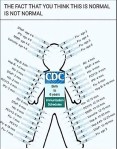 Evidências científicas de que as vacinas atualmente usadas mundialmente causam Transtorno do Espectro Autista… Leia mais: Evidências científicas de que as vacinas atualmente usadas mundialmente causam Transtorno do Espectro Autista – Este é o terceiro editorial neste site sobre a causa do autismo
 - Scientific evidence that vaccines currently used worldwide cause Autism Spectrum Disorder – Third editorial on this website on the cause of autism(Scientific evidence that vaccines currently used worldwide cause Autism Spectrum Disorder (ASD) – an… Leia mais: Scientific evidence that vaccines currently used worldwide cause Autism Spectrum Disorder – Third editorial on this website on the cause of autism
- Le processus inflammatoire chronique qui endommage le cerveau des enfants autistes présente une composante auto-immune incontestable – deuxième éditorial sur ce site concernant les causes de l’autisme
 Le processus inflammatoire chronique qui endommage le cerveau des enfants autistes présente une composante… Leia mais: Le processus inflammatoire chronique qui endommage le cerveau des enfants autistes présente une composante auto-immune incontestable – deuxième éditorial sur ce site concernant les causes de l’autisme
 - Indicação de livro: Além da Vitamina D, versão em português
 Histórias emocionantes mostram como superar doenças autoimunes Mais do que um livro sobre saúde,… Leia mais: Indicação de livro: Além da Vitamina D, versão em português
 - Saiba as consequências da deficiência de Vitamina D – Dra. Satya Nahu
 Leia as postagens pelo índice mensal: Leia as últimas postagens:
 - Deficiência de vitamina D atende aos critérios de Hill para causalidade na suscetibilidade, complicações e mortalidade do SARS-CoV-2: uma revisão sistemática
 Fonte: https://www.mdpi.com/2072-6643/17/3/599 Os ensaios clínicos demonstram consistentemente uma correlação inversa entre os níveis séricos… Leia mais: Deficiência de vitamina D atende aos critérios de Hill para causalidade na suscetibilidade, complicações e mortalidade do SARS-CoV-2: uma revisão sistemática
 - Norwegian version. Autisme hjernen er påvirket av en kronisk inflammatorisk prosess som kan og bør behandles. Dette er den første redaksjonelle artikkelen på denne nettsiden om årsakene til autismeTranslated by Geir Flatabø Autisme hjernen er påvirket av en kronisk inflammatorisk prosess som… Leia mais: Norwegian version. Autisme hjernen er påvirket av en kronisk inflammatorisk prosess som kan og bør behandles. Dette er den første redaksjonelle artikkelen på denne nettsiden om årsakene til autisme
- “A Grande Indústria Farmacêutica é dona do seu médico”
 “A Big Pharma é dona do seu médico: “A coisa toda é bananas”. “Nossos… Leia mais: “A Grande Indústria Farmacêutica é dona do seu médico”
 - Como a vitamina D mudou a vida de uma médica com esclerose múltipla – sua jornada e uma entrevista -Protocolo CoimbraFonte: https://www.grassrootshealth.net/blog/vitamin-d-changed-life-doctor-ms-journey-interview/ “O Protocolo de Coimbra ajudou milhares de pessoas em todo o mundo… Leia mais: Como a vitamina D mudou a vida de uma médica com esclerose múltipla – sua jornada e uma entrevista -Protocolo Coimbra
- Dr. Toby Rogers: a aprovação do uso de alumínio em vacinas foi baseado em um estudo de apenas quatro coelhos
 “O FDA e o CDC aprovaram o alumínio como ‘seguro e eficaz’ em vacinas,… Leia mais: Dr. Toby Rogers: a aprovação do uso de alumínio em vacinas foi baseado em um estudo de apenas quatro coelhos
 - Robert Kennedy Jr. acusa Congresso dos EUA de receber dinheiro da indústria farmacêutica em sua sabatina no Senado, no dia 29 de janeiro último – vídeo com legendas em português
 *Todas as publicações deste site são de exclusiva responsabilidade de seu criador e único… Leia mais: Robert Kennedy Jr. acusa Congresso dos EUA de receber dinheiro da indústria farmacêutica em sua sabatina no Senado, no dia 29 de janeiro último – vídeo com legendas em português
 - Estudo de “de cair o queixo” descobre que crianças vacinadas têm 170% maior risco de autismo
 Fonte:‘Jaw-dropping’ Study Finds Vaccinated Children Have 170% Higher Risk of Autism “O estudo revisado… Leia mais: Estudo de “de cair o queixo” descobre que crianças vacinadas têm 170% maior risco de autismo
 - Como trabalha o seu cérebro para a saúde ou para a doença – vídeo com legendas
 *Todas as publicações deste site são de exclusiva responsabilidade de seu criador e único… Leia mais: Como trabalha o seu cérebro para a saúde ou para a doença – vídeo com legendas
 - Anthony Fauci, um dos responsáveis pela “pandemia”, e pelo uso de vacinas como arma de guerra biológica, recebeu perdão antecipado nos últimos momentos do governo Biden – vídeo em português
 *Todas as publicações deste site são de exclusiva responsabilidade de seu criador e único… Leia mais: Anthony Fauci, um dos responsáveis pela “pandemia”, e pelo uso de vacinas como arma de guerra biológica, recebeu perdão antecipado nos últimos momentos do governo Biden – vídeo em português
 - Vacinação e distúrbios do neurodesenvolvimento: um estudo de crianças de nove anos matriculadas no Medicaid – Transtorno do espectro autista. Publicação de 23.01.2025 na Science, Public Health Policy and the Law
 As taxas de distúrbios do neurodesenvolvimento (NDD) aumentaram mais de dez vezes durante a… Leia mais: Vacinação e distúrbios do neurodesenvolvimento: um estudo de crianças de nove anos matriculadas no Medicaid – Transtorno do espectro autista. Publicação de 23.01.2025 na Science, Public Health Policy and the Law
 - Múltiplas vacinações simultâneas estão associadas à probabilidade de hospitalização ou morte por uma reação adversa
 (Todas as publicações deste site são de exclusiva responsabilidade de seu criador e único… Leia mais: Múltiplas vacinações simultâneas estão associadas à probabilidade de hospitalização ou morte por uma reação adversa
 - Reconsideração dos níveis de dose segura pediátrica imunoterapêutica de alumínio – Reconsideration of the immunotherapeutic pediatric safe dose levels of aluminum
 Fonte: https://www.sciencedirect.com/science/article/pii/S0946672X17300950#bib0210 Conclusões do artigo: “Os níveis de alumínio nas vacinas são baseados na… Leia mais: Reconsideração dos níveis de dose segura pediátrica imunoterapêutica de alumínio – Reconsideration of the immunotherapeutic pediatric safe dose levels of aluminum
 - Alumínio no tecido cerebral no autismo – Aluminium in brain tissue in autism – ScienceDirect
 Fonte: https://www.sciencedirect.com/science/article/pii/S0946672X17308763 “…o fato de termos encontrado alumínio em cada amostra de tecido cerebral,… Leia mais: Alumínio no tecido cerebral no autismo – Aluminium in brain tissue in autism – ScienceDirect
 - Autystyczny mózg jest uszkodzony przez nieleczony przewlekły proces zapalny. Pierwsza publikacja na tej stronie o przyczynach autyzmu
 Translated into Polish by Father Jacek Maria Norkowski OP, Md. PhD., former teacher of… Leia mais: Autystyczny mózg jest uszkodzony przez nieleczony przewlekły proces zapalny. Pierwsza publikacja na tej stronie o przyczynach autyzmu
 - Der chronische Entzündungsprozess, der das Gehirn autistischer Kinder betrifft, hat unbestreitbar eine Autoimmunkomponente – Zweiter Leitartikel auf dieser Website zu den Ursachen von AutismusBewertet von:Dr. Melanie WeissWilhelmstraße 17342489 Wülfrathinfo@neurologie-wuelfrath.de (Erster ins Deutsche übersetzter Leitartikel: https://wp.me/pbW3AH-1Gu) Der chronische… Leia mais: Der chronische Entzündungsprozess, der das Gehirn autistischer Kinder betrifft, hat unbestreitbar eine Autoimmunkomponente – Zweiter Leitartikel auf dieser Website zu den Ursachen von Autismus
- O papel da vitamina D nos resultados dos cuidados intensivos em pacientes com COVID-19
 Fonte: O papel da vitamina D nos resultados dos cuidados intensivos em pacientes com… Leia mais: O papel da vitamina D nos resultados dos cuidados intensivos em pacientes com COVID-19
 - Robert Kennedy Jr denunciou que a indústria farmacêutica sabia que suas vacinas causavam autismo – vídeo com legendas
 De acordo com RFK Jr., uma denunciante lhe forneceu uma transcrição de uma reunião… Leia mais: Robert Kennedy Jr denunciou que a indústria farmacêutica sabia que suas vacinas causavam autismo – vídeo com legendas
 - Os adjuvantes de vacinas de alumínio contribuem para o aumento da prevalência do autismo?
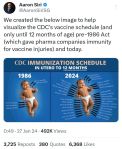 “os recém-nascidos recebem uma dose de alumínio equivalente a 10 (dez) vacinas contra hepatite… Leia mais: Os adjuvantes de vacinas de alumínio contribuem para o aumento da prevalência do autismo?
 - Il processo infiammatorio cronico che sta vivendo il cervello dei bambini autistici ha un’innegabile componente autoimmune – Secondo Editoriale di questo Sito sulle cause dell’autismoTraduzione fatta da Dottoressa Francesca Micheluccifmichelucci22@gmail.com, Pisa Primo editoriale tradotto in italiano https://wp.me/pbW3AH-1FM Il… Leia mais: Il processo infiammatorio cronico che sta vivendo il cervello dei bambini autistici ha un’innegabile componente autoimmune – Secondo Editoriale di questo Sito sulle cause dell’autismo
- As chantagens da Pfizer para impor sua vacina aos países durante a pandemia – Pfizer’s blackmail to impose its vaccine on countries during the pandemic – com legendas
 Leia as postagens pelo índice mensal: Leia as últimas postagens:
 - Segundo Editorial sobre las Causas de Autismo, traducido al español. El proceso inflamatorio crónico que está dañando el cerebro de los niños autistas tiene un innegable componente autoinmune.(Primera editorial: https://wp.me/pbW3AH-1H7) Traducido al español por Carmen Sanabria Ayala Entre las consecuencias está… Leia mais: Segundo Editorial sobre las Causas de Autismo, traducido al español. El proceso inflamatorio crónico que está dañando el cerebro de los niños autistas tiene un innegable componente autoinmune.
- Uma associação positiva encontrada entre a prevalência do autismo e a aceitação da vacinação infantil em toda a população dos EUA
 Fonte: https://pubmed.ncbi.nlm.nih.gov/21623535/ NIH, National Library of Medicine, “Um site oficial do governo dos Estados… Leia mais: Uma associação positiva encontrada entre a prevalência do autismo e a aceitação da vacinação infantil em toda a população dos EUA
 - Estudos publicados que mostram que vacinas causam autismo – Studies published showing vaccines cause autism
 Studies which show vaccines cause Autism: ▪ http://ncbi.nlm.nih.gov/pmc/articles/PMC3878266/ ▪ http://ncbi.nlm.nih.gov/pubmed/21623535 ▪ http://ncbi.nlm.nih.gov/pubmed/25377033 ▪ http://ncbi.nlm.nih.gov/pubmed/24995277… Leia mais: Estudos publicados que mostram que vacinas causam autismo – Studies published showing vaccines cause autism
 - First editorial, translated into Russian. Хронический воспалительный процесс в мозге, – причина Расстройств Аутистического Спектра, требующая обязательного лечения
 Russian translator Dr Ph.D. Sementsov Vadim AlexandrovichInsta: @doctorsementsov Первое редакционное сообщение о причинах аутизма.… Leia mais: First editorial, translated into Russian. Хронический воспалительный процесс в мозге, – причина Расстройств Аутистического Спектра, требующая обязательного лечения
 - Pagamentos da indústria farmacêutica e dispositivos médicos para revisores de pares dos EUA de grandes revistas médicas supera um bilhão de dólares
 Entre 2020 e 2022, a indústria farmacêutica destinou cerca de US$ 1,06 bilhão a… Leia mais: Pagamentos da indústria farmacêutica e dispositivos médicos para revisores de pares dos EUA de grandes revistas médicas supera um bilhão de dólares
 - ऑटिस्टिक मस्तिष्क एक अनुपचारित दीर्घकालिक सूजन प्रक्रिया से प्रभावित रहता है। इस वेबसाइट पर ऑटिज़्म के कारणों के बारे में यह पहला संपादकीय लेख है। – First editorial, hindi version: The autistic brain is affected by an untreated chronic inflammatory process
 Translated from English into Hindi by Dr. Renu Mahtani(अंग्रेजी से हिंदी में डॉ. रेणु… Leia mais: ऑटिस्टिक मस्तिष्क एक अनुपचारित दीर्घकालिक सूजन प्रक्रिया से प्रभावित रहता है। इस वेबसाइट पर ऑटिज़्म के कारणों के बारे में यह पहला संपादकीय लेख है। – First editorial, hindi version: The autistic brain is affected by an untreated chronic inflammatory process
 - Nos últimos anos, as indústrias de vacinas pagaram 35 bilhões de dólares em multas por falsificação de informações aos médicos, mas estão protegidas das consequências criminais
 *Todas as publicações deste site são de exclusiva responsabilidade de seu criador e único… Leia mais: Nos últimos anos, as indústrias de vacinas pagaram 35 bilhões de dólares em multas por falsificação de informações aos médicos, mas estão protegidas das consequências criminais
 - Análise de Robert Kennedy Jr. sobre a saúde nos Estados Unidos, especialmente de crianças e jovens, e as Agências Reguladoras – com legendas
 Leia as postagens pelo índice mensal: Leia as últimas postagens:
 - El cerebro autista se ve afectado por un proceso inflamatorio crónico no tratado. Primer Editorial en este Sitio sobre las causas del autismo, actualizado el 06/10/2024Traducido al español por Carmen Sanabria Ayala El autismo fue descrito por primera vez… Leia mais: El cerebro autista se ve afectado por un proceso inflamatorio crónico no tratado. Primer Editorial en este Sitio sobre las causas del autismo, actualizado el 06/10/2024
- Trabalhadores de trânsito dos EUA demitidos por recusarem vacina contra a COVID-19 receberão mais de US$ 1 milhão cada
 *Todas as publicações deste site são escolha de exclusiva responsabilidade de seu criador e… Leia mais: Trabalhadores de trânsito dos EUA demitidos por recusarem vacina contra a COVID-19 receberão mais de US$ 1 milhão cada
 - Romanian version: Procesul inflamator cronic, care dăunează creierului copiilor cu autism are o componentă autoimună incontestabilă. Al doilea Editorial de pe acest site despre cauzele autismuluiRomanian translation by Dr. Dominique Heidenfelder-Ambrosio Bazându-se pe logica luminată de publicațiile științifice, care… Leia mais: Romanian version: Procesul inflamator cronic, care dăunează creierului copiilor cu autism are o componentă autoimună incontestabilă. Al doilea Editorial de pe acest site despre cauzele autismului
- Autistični mozak zahvaćen je neliječenim kroničnim upalnim procesom. Prvi post na ovoj web stranici govori o uzrocima autizma
 Prijevod s engleskog na hrvatski Goranka Tomić i dr. Fedor Mataić Autizam je prvi… Leia mais: Autistični mozak zahvaćen je neliječenim kroničnim upalnim procesom. Prvi post na ovoj web stranici govori o uzrocima autizma
 - Autismus – ein unbehandelter chronischer Entzündungsprozess des Gehirns. Erster Leitartikel auf dieser Website über die Ursachen von AutismusÜbersetzung aus der englischen Version: Prof. Dr. Nelson AnnunciatoNeurowissenschaftler Bewertet von:Dr. Melanie WeissWilhelmstraße 17342489… Leia mais: Autismus – ein unbehandelter chronischer Entzündungsprozess des Gehirns. Erster Leitartikel auf dieser Website über die Ursachen von Autismus
- The chronic inflammatory process that is damaging the brains of autistic children has an undeniable autoimmune component. The second editorial on this site on the causes of autism
 (Link to the first editorial: https://wp.me/pbW3AH-1DO -Link to the third editorial of this series:… Leia mais: The chronic inflammatory process that is damaging the brains of autistic children has an undeniable autoimmune component. The second editorial on this site on the causes of autism
 - French version. Le cerveau des personnes autistes est affecté par un processus inflammatoire chronique non traité. Premier éditorial sur ce site web concernant les causes de l’autisme
 Traduction en français par Dr. Djamel Deramchi L’autisme a été décrit pour la première… Leia mais: French version. Le cerveau des personnes autistes est affecté par un processus inflammatoire chronique non traité. Premier éditorial sur ce site web concernant les causes de l’autisme
 - Il cervello del paziente autistico è affetto da un processo infiammatorio cronico non trattato. Su questo sito web primo Editoriale sulle cause dell’autismoTtradotto da Dottssa Giusi Manuele Specialista Endocrinochirurgia Protocollo Coimbra Italia L’autismo fu descritto per… Leia mais: Il cervello del paziente autistico è affetto da un processo infiammatorio cronico non trattato. Su questo sito web primo Editoriale sulle cause dell’autismo
- Enquanto o Reino Unido debate a legalização do suicídio assistido, a prática aumenta drasticamente no Canadá
 Depois que as eleições de 4 de julho no Reino Unido fizeram de Keir Starmer o… Leia mais: Enquanto o Reino Unido debate a legalização do suicídio assistido, a prática aumenta drasticamente no Canadá
 - Geração Z e Mortes do Desespero
 O professor de SPA analisa as tendências alarmantes do suicídio nacional, incluindo um aumento… Leia mais: Geração Z e Mortes do Desespero
 - Estudo mostra taxas de suicídio e autolesão entre jovens em alta no Brasil
 Fonte: https://portal.fiocruz.br/en/news/2024/02/study-shows-suicide-and-self-injury-rates-rise-brazil 23/02/2024 Por Mariana Sebastião (Cidacs/Fiocruz Bahia) A taxa de suicídio entre os… Leia mais: Estudo mostra taxas de suicídio e autolesão entre jovens em alta no Brasil
 - Romanian version: Creierul autist este afectat de un proces inflamator cronic netratat. Primul editorial de pe acest site despre cauzele autismului
 Romanian translation by Dr. Dominique Heidenfelder-Ambrosio (English version: https://wp.me/pbW3AH-1DO) Autismul a fost descris pentru… Leia mais: Romanian version: Creierul autist este afectat de un proces inflamator cronic netratat. Primul editorial de pe acest site despre cauzele autismului
 - Robert F. Kennedy Jr. compara as doenças infantis atuais com as da década de 80 – vídeo com legendas
 *Todas as publicações deste site são escolha de exclusiva responsabilidade de seu criador e… Leia mais: Robert F. Kennedy Jr. compara as doenças infantis atuais com as da década de 80 – vídeo com legendas
 - Estudo com 1,7 milhão de crianças e adolescentes que receberam a vacina Pfizer COVID encontrou miopericardite apenas em grupos vacinados -03.10.2024
 por Brenda Baletti, Ph.D.3 de outubro de 2024 “A vacina Pfizer-BioNTech COVID-19 forneceu a… Leia mais: Estudo com 1,7 milhão de crianças e adolescentes que receberam a vacina Pfizer COVID encontrou miopericardite apenas em grupos vacinados -03.10.2024
 - The autistic brain is affected by an untreated chronic inflammatory process. First Editorial on this website about the causes of autism
 (Link to the third editorial of this series: https://wp.me/pbW3AH-1Tx) Autism was first described by… Leia mais: The autistic brain is affected by an untreated chronic inflammatory process. First Editorial on this website about the causes of autism
 - Índice completo deste Site organizado por mês e ano – Complete index of this Site organized by month and year
 Ao acessar cada mês deste índice aqui publicado, será visto o título das postagens… Leia mais: Índice completo deste Site organizado por mês e ano – Complete index of this Site organized by month and year
 - Em junho de 2023, um dos principais governantes canadense pede desculpas aos não vacinados, “estávamos errados…” ela faz uma promessa sem precedentes …
 17 de junho de 2023 Danielle Smith, a atual primeira-ministra de Alberta, no Canadá,… Leia mais: Em junho de 2023, um dos principais governantes canadense pede desculpas aos não vacinados, “estávamos errados…” ela faz uma promessa sem precedentes …
 - Vacinação obrigatória e confinamento incluídos no projeto de lei de saúde draconiano para Irlanda do Norte – Consulta pública em 14 de outubro de 2024
 Pela Dra. Elizabeth Evans, em 26 de setembro de 2024 CEO da Medical Freedom… Leia mais: Vacinação obrigatória e confinamento incluídos no projeto de lei de saúde draconiano para Irlanda do Norte – Consulta pública em 14 de outubro de 2024
 - Em 29.08.2024, a Food and Drug Administration (FDA) aprovou a vacina contra a varíola do macaco, mesmo reconhecendo que é perigosa
 O vírus da vacina aprovada nos EUA pode atacar as pessoas próximas à pessoa… Leia mais: Em 29.08.2024, a Food and Drug Administration (FDA) aprovou a vacina contra a varíola do macaco, mesmo reconhecendo que é perigosa
 - O processo inflamatório crônico que está lesando o cérebro das crianças autistas possui um inegável componente autoimune – Segundo Editorial deste Site sobre as causas do autismo
 (Link do primeiro editorial: https://wp.me/pbW3AH-1yv) Fundamentando-se na lógica iluminada por publicações científicas que vêm… Leia mais: O processo inflamatório crônico que está lesando o cérebro das crianças autistas possui um inegável componente autoimune – Segundo Editorial deste Site sobre as causas do autismo
 - Vacina de mRNA COVID-19 ligada a cicatrizes miocárdicas em adolescentes e adultos jovens – 11.09.2024 eClinicalMedicine
 “Novo estudo revela maior prevalência de cicatrizes cardíacas em homens jovens após a vacinação… Leia mais: Vacina de mRNA COVID-19 ligada a cicatrizes miocárdicas em adolescentes e adultos jovens – 11.09.2024 eClinicalMedicine
 - Flórida desaconselha o uso da vacina de mRNA COVID no outono e inverno
 “A declaração levantou preocupações adicionais sobre a decisão do governo federal de não exigir… Leia mais: Flórida desaconselha o uso da vacina de mRNA COVID no outono e inverno
 - A criança como sujeito de experimentação científica: uma análise histórica dos aspectos éticos
 Algumas histórias exemplares da crueldade em nome da ciência, dados extraídos da tese de… Leia mais: A criança como sujeito de experimentação científica: uma análise histórica dos aspectos éticos
 - El cerebro del autista está afectado por un proceso inflamatorio crónico no tratado. Primer Editorial de este Site sobre las causas del autismoUNA TRAGEDIA ENCUBIERTA* (No se permite la reproducción de este texto, publicado aquí en… Leia mais: El cerebro del autista está afectado por un proceso inflamatorio crónico no tratado. Primer Editorial de este Site sobre las causas del autismo
- Em 2018, o “Padrinho das Vacinas” no mundo, Dr. Stanley Plotkin, declara ter testado vacinas experimentais em órfãos, em deficientes mentais, em bebês de mães presas e em população de domínios coloniais, alcançando 1.000.000 de pessoas – vídeo com legendas
 Polêmica: |Em carta ao New England Journal Medicine, o Dr. Plotkin expressou preocupações sobre… Leia mais: Em 2018, o “Padrinho das Vacinas” no mundo, Dr. Stanley Plotkin, declara ter testado vacinas experimentais em órfãos, em deficientes mentais, em bebês de mães presas e em população de domínios coloniais, alcançando 1.000.000 de pessoas – vídeo com legendas
 - Pesquisador denuncia problemas de integridade de dados em teste de vacina Covid-19 da Pfizer
 “Um diretor regional que era empregado na organização de pesquisa Ventavia Research Group disse… Leia mais: Pesquisador denuncia problemas de integridade de dados em teste de vacina Covid-19 da Pfizer
 - Associação de cientistas da América Latina firmou declaração fundamentada em 2020 contrária à vacinação Covid-19, especialmente a forçada
 “A legislação é feita para favorecer a indústria farmacêutica multinacional através de imunidade jurídica… Leia mais: Associação de cientistas da América Latina firmou declaração fundamentada em 2020 contrária à vacinação Covid-19, especialmente a forçada
 - Desenvolvimento de vacinas para covid-19 é um jogada histórica de lucro para a grande indústria farmacêutica
 Por Silvia Ribeiro Tradução: Luiza Mançano – Agência Latino-americana de Informação (ALAI) O desenvolvimento… Leia mais: Desenvolvimento de vacinas para covid-19 é um jogada histórica de lucro para a grande indústria farmacêutica
 - Como a indústria farmacêutica compra médicos – How drug companies buy doctors
 As afirmações do Professor Dr. Peter Gøtzsche sobre este assunto crítico na Medicina não… Leia mais: Como a indústria farmacêutica compra médicos – How drug companies buy doctors
 - “Oftalmologistas agora são eticamente obrigados a denunciar as vacinas COVID-19, já que 20.000 novos distúrbios oculares são relatados”
 “O holocausto da vacina covid está destruindo a audição e a visão das pessoas”… Leia mais: “Oftalmologistas agora são eticamente obrigados a denunciar as vacinas COVID-19, já que 20.000 novos distúrbios oculares são relatados”
 - “Desde 1986, com a isenção legal de responsabilidades por danos à saúde e mortes, a indústria das vacinas cresce em um ambiente burocrático imensamente falho e corrupto”
 Proibida a divulgação deste texto fora deste Site. Para referência indicar link. Em 12… Leia mais: “Desde 1986, com a isenção legal de responsabilidades por danos à saúde e mortes, a indústria das vacinas cresce em um ambiente burocrático imensamente falho e corrupto”
 - Lei de 1986 isentou de responsabilidade por danos à saúde os fabricantes de vacinas
 A Lei Nacional de Lesões por Vacinas Infantis (“National Childhood Vaccine Injury Act” -NCVIA)… Leia mais: Lei de 1986 isentou de responsabilidade por danos à saúde os fabricantes de vacinas
 - Agenda do excesso de vacinações infantis iniciais, do útero aos 12 meses
 “Criamos a imagem abaixo para ajudar a visualizar o calendário de vacinas do CDC… Leia mais: Agenda do excesso de vacinações infantis iniciais, do útero aos 12 meses
 - Cientistas informam que grande parte das mortes dos pacientes COVID-19 têm como causa o ventilador mecânico, não a Covid
 O evento Covid-19 exigiu de forma sem precedentes o uso de ventiladores, o que… Leia mais: Cientistas informam que grande parte das mortes dos pacientes COVID-19 têm como causa o ventilador mecânico, não a Covid
 - Fundador da Farmacêutica Moderna expõe a questão da miocardite por vacinação em pessoas mais jovens ao ser interrogado pelo Senador Rand Paul – Seu patrimônio pessoal: US$ 4,2 bilhões
 Em 21 de março de 2023, o Senador dos EUA, Rand Paul, no interrogatório… Leia mais: Fundador da Farmacêutica Moderna expõe a questão da miocardite por vacinação em pessoas mais jovens ao ser interrogado pelo Senador Rand Paul – Seu patrimônio pessoal: US$ 4,2 bilhões
 - Pesquisadores relacionam excesso de mortes em 47 países com vacinas contra a Covid-19, no período de janeiro de 2020 a Dezembro de 2022
 ‘Excesso de mortalidade em países do mundo ocidental desde a pandemia de COVID-19: estimativas… Leia mais: Pesquisadores relacionam excesso de mortes em 47 países com vacinas contra a Covid-19, no período de janeiro de 2020 a Dezembro de 2022
 - O cérebro do autista está afetado por um processo inflamatório crônico não tratado. Primeiro Editorial deste Site sobre as causas do autismo, atualizado em 06.10.2024
 UMA TRAGÉDIA ENCOBERTA (Não é permitida a reprodução deste texto, publicado aqui em https://protocolocoimbradrcicerogalli.com,… Leia mais: O cérebro do autista está afetado por um processo inflamatório crônico não tratado. Primeiro Editorial deste Site sobre as causas do autismo, atualizado em 06.10.2024
 - Nada do que os governos fizeram em vacinar para a COVID-19 teve qualquer efeito positivo – ScienceAdvances, edição de 05.06.2024
 “Em resumo, não encontramos padrões no conjunto geral de modelos que sugiram uma relação… Leia mais: Nada do que os governos fizeram em vacinar para a COVID-19 teve qualquer efeito positivo – ScienceAdvances, edição de 05.06.2024
 - Vacinações múltiplas e o enigma da lesão vacinal -PubMed
 Abstrato “Um número crescente de vacinas é administrado ao mesmo tempo ou em estreita… Leia mais: Vacinações múltiplas e o enigma da lesão vacinal -PubMed
 - Vacinação contra COVID-19 e o desenvolvimento da doença de Alzheimer
 “Resultados: Os resultados mostraram um aumento na incidência de Declínio Cognitivo Leve (DCL) e… Leia mais: Vacinação contra COVID-19 e o desenvolvimento da doença de Alzheimer
 - “A verdade prevalecerá” – Realidades sobre o autismo que não são informadas
 “Estamos enfrentando uma crise sem precedentes em nossa nação e no mundo ocidental. Houve… Leia mais: “A verdade prevalecerá” – Realidades sobre o autismo que não são informadas
 - Tribunal da União Europeia anula sigilo em contratos de vacinas Covid-19 da Comissão Europeia
 A decisão histórica exige transparência nos acordos de vacinas, destacando a responsabilidade das empresas… Leia mais: Tribunal da União Europeia anula sigilo em contratos de vacinas Covid-19 da Comissão Europeia
 - Como o efeito tóxico do alumínio presente nas vacinas é ocultado?“Quando se busca aprovar uma nova substância para uso clínico, deve-se apresentar estudos preliminares… Leia mais: Como o efeito tóxico do alumínio presente nas vacinas é ocultado?
- Associação entre exposição ao alumínio da vacina e asma persistente: estudo observacional“Num grande estudo observacional, foi encontrada uma associação positiva entre a exposição ao alumínio… Leia mais: Associação entre exposição ao alumínio da vacina e asma persistente: estudo observacional
- Trump anuncia que reverá o excesso de vacinação em bebêsNeste vídeo, conversa de Trump sobre o assunto vacinação excessiva com Robert Kennedy Jr.,… Leia mais: Trump anuncia que reverá o excesso de vacinação em bebês
- Uma revisão sistemática dos resultados da autópsia em mortes após a vacinação contra a covid-19, publicada em 21 de junho de 2024, na Revista ScienceDirect
 “(…) em 73,9% dos casos, a vacinação contra a COVID-19 foi a causa direta… Leia mais: Uma revisão sistemática dos resultados da autópsia em mortes após a vacinação contra a covid-19, publicada em 21 de junho de 2024, na Revista ScienceDirect
 - O cérebro dos portadores de autismo está afetado por um processo inflamatório ativo
 “Em geral quase nenhum profissional que lida com pacientes autistas está consciente de que… Leia mais: O cérebro dos portadores de autismo está afetado por um processo inflamatório ativo
 - As últimas estatísticas e taxas de autismo: uma análise aprofundada
 “Os custos associados ao apoio a indivíduos portadores de transtornos do espectro autista nos… Leia mais: As últimas estatísticas e taxas de autismo: uma análise aprofundada
 - Uma associação positiva encontrada entre a prevalência do autismo e a vacinação infantil na população dos EUA“(…) quanto maior a proporção de crianças que receberam as vacinas recomendadas, maior foi… Leia mais: Uma associação positiva encontrada entre a prevalência do autismo e a vacinação infantil na população dos EUA
- O fosfato de cálcio é uma das substâncias naturais que pode substituir o neurotóxico alumínio como adjuvante nas vacinas. Por que isso não é feito?
 “O fosfato de cálcio foi inicialmente desenvolvido pelo Instituto Pasteur na forma de hidroxiapatita… Leia mais: O fosfato de cálcio é uma das substâncias naturais que pode substituir o neurotóxico alumínio como adjuvante nas vacinas. Por que isso não é feito?
 - Vídeo com legendas da Audiência Pública sobre isenção de vacinação do “Public Health Commitee”, na Assembleia do Estado de Connecticut, com o depoimento do Dr. Lawrence Palevisky em 19/02/2020
 *Todas as publicações deste site são de exclusiva responsabilidade de seu criador e único… Leia mais: Vídeo com legendas da Audiência Pública sobre isenção de vacinação do “Public Health Commitee”, na Assembleia do Estado de Connecticut, com o depoimento do Dr. Lawrence Palevisky em 19/02/2020
 - Associação de Médicos e Cirurgiões Norte-americanos pede moratória na obrigatoriedade das vacinas infantis por falta de informação suficiente“Os pacientes têm a liberdade … de recusar o tratamento médico mesmo que seja… Leia mais: Associação de Médicos e Cirurgiões Norte-americanos pede moratória na obrigatoriedade das vacinas infantis por falta de informação suficiente
- Alumínio no tecido cerebral no autismo
 “…o fato de termos encontrado alumínio em cada amostra de tecido cerebral, congelada ou… Leia mais: Alumínio no tecido cerebral no autismo
 - (sem título)Comentário de J. Patrick Whelan MD PhDPostado pela Food and Drug Administration em 9… Leia mais: (sem título)
- Combinar vacinas infantis em uma única vez não é seguro
 “Embora as autoridades de saúde, incluindo os Centros de Controle e Prevenção de Doenças… Leia mais: Combinar vacinas infantis em uma única vez não é seguro
 - O alumínio nas vacinas infantis não é seguro
 “O alumínio é uma neurotoxina, mas bebês e crianças pequenas são repetidamente injetados com… Leia mais: O alumínio nas vacinas infantis não é seguro
 - Apresentação e contatos em português e em inglês
 Em português: O responsável pela criação deste Site informativo de publicações científicas da área… Leia mais: Apresentação e contatos em português e em inglês
 - No primeiro dia de vida, os bebês recebem 17 vezes mais alumínio do que seria permitido se as doses fossem ajustadas por peso corporal
 “Reconsideração dos níveis de dose segura imunoterapêutica pediátrica de alumínio” James Lyons-Weiler, Robert Ricketson “Os níveis de… Leia mais: No primeiro dia de vida, os bebês recebem 17 vezes mais alumínio do que seria permitido se as doses fossem ajustadas por peso corporal
 - Fernanda Venturini entrevista Dr. Cícero Galli Coimbra
- “Como acabar com a epidemia de autismo” por JB Handley
 http://www.drsgoodman.com/book-reviews/479-how-to-end-the-autism-epidemic/ O filho de JB Handley, Jamison, foi diagnosticado com autismo em 2004; ele… Leia mais: “Como acabar com a epidemia de autismo” por JB Handley
 - Workshop Médico na Alemanha: doutores U Gröber, F. Paul e J. Spitz declaram: “Não há mais dúvidas sobre a importância da vitamina D para o surgimento, o processo e o tratamento das doenças autoimunes.”
 The “Protocolo Coimbra,” a successful treatment, gained international attention, leading Dr. Cicero Galli Coimbra to speak at medical workshops in Frankfurt, Germany, and present high-dose vitamin D therapy for autoimmune diseases. This treatment has been in existence for 18 years and is gaining recognition worldwide.
Todas as publicações deste site são de exclusiva responsabilidade de seu criador e único administrador, Celso Galli Coimbra, OABRS 11352, e-mail cgcoimbra@gmail.com

 Protocolo Coimbra